

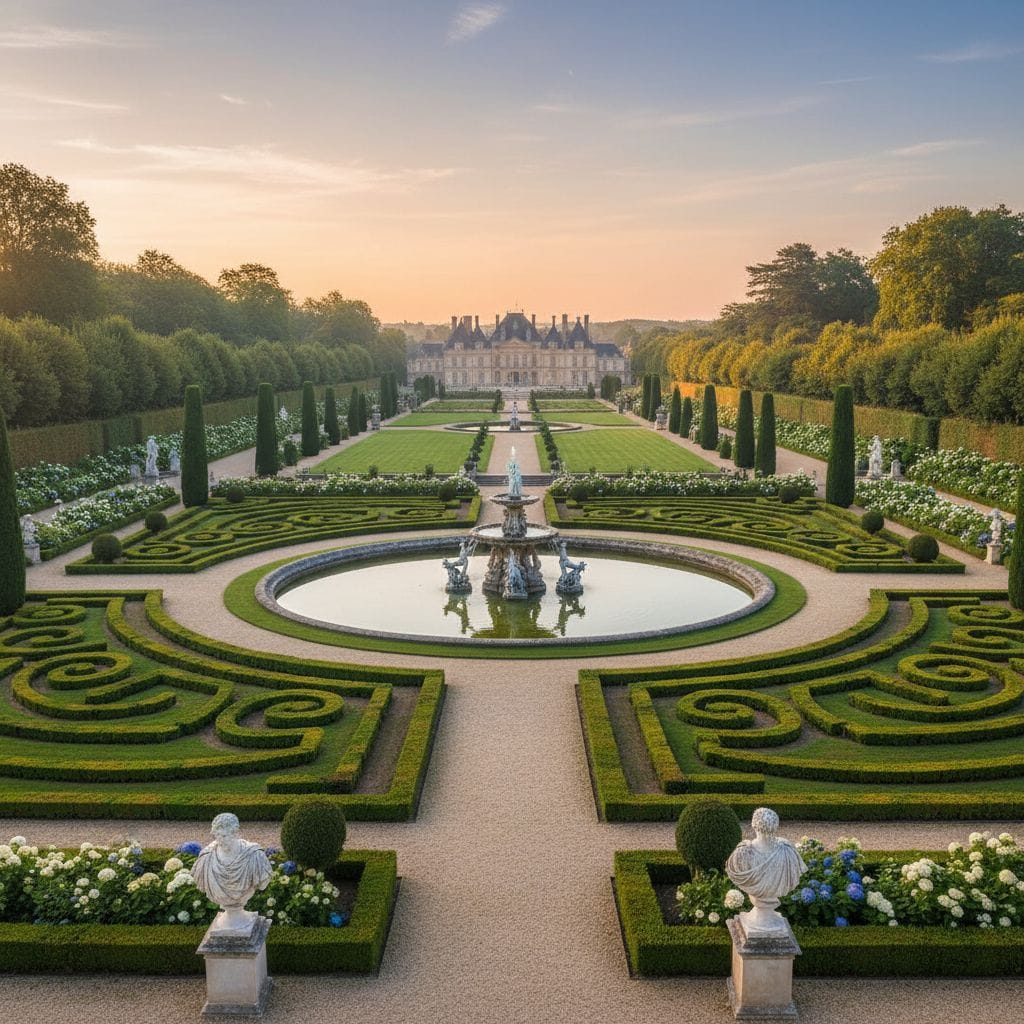
Exploring garden design often leads us to timeless styles that have shaped how we organize outdoor spaces. The French-inspired formal garden, deeply rooted in history, offers a compelling approach that blends strict geometry and meticulous order to create harmonious landscapes. This design philosophy has influenced garden aesthetics across centuries and continues to inspire both grand estates and intimate private gardens today.
The Essence of the French Formal Garden
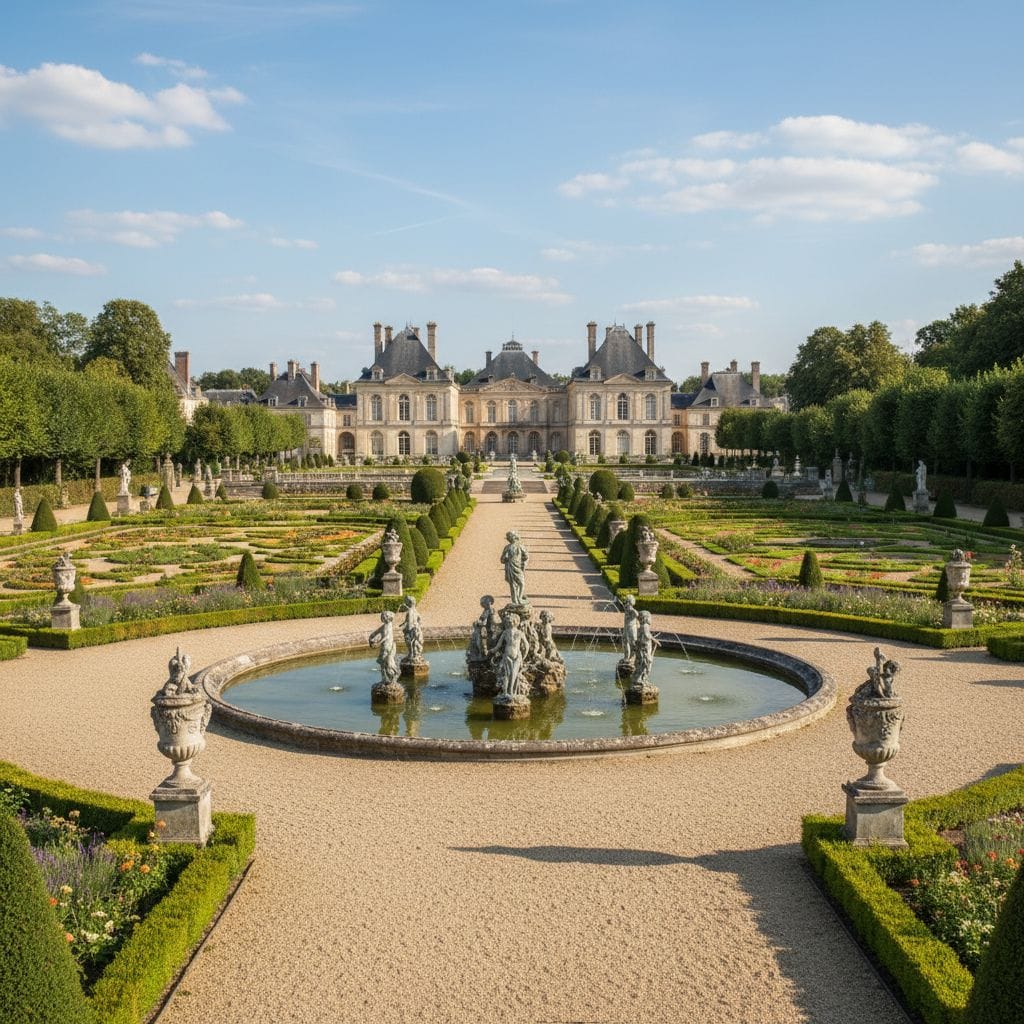
At the heart of the jardin à la française lies symmetry and precision. Emerging in the 17th century as an evolution of Italian Renaissance gardens, this style was perfected by André Le Nôtre—whose work at Versailles remains the quintessential example. Here, nature is literally shaped into geometric forms such as rectangles, circles, and triangles. The use of long, axial perspectives enhances a sense of control and order, drawing the eye along carefully planned vistas.
Evergreens, especially boxwood hedges, serve a functional purpose beyond mere decoration: they provide a consistent architectural framework throughout the year. These hedges are expertly clipped to define parterres—ornamental garden beds arranged in geometric patterns—and to sculpt bosquets, which are small groves of trees trimmed into precise shapes. This interplay of permanent green structure with seasonal flowers or bulbs adds seasonal interest without disrupting the overall formal rhythm.
Another defining feature is the positioning of focal points. Statues, fountains, or specimen plants appear at key axis termini, establishing visual anchors that guide movement and create a series of 'garden rooms.' Water features, from reflecting pools to ornamental ponds, also align with geometric patterns, reinforcing the balance of the design. Importantly, the residence itself often acts as the centerpiece, framed by low shrubs and parterres rather than tall trees, ensuring an unobstructed view that celebrates human mastery over the natural world.
Applying French Formal Principles in Modern Gardens
While the grand scale of Versailles might seem unattainable for most, the core principles of the French formal garden translate well to smaller, contemporary spaces. Garden pathways typically use gravel or stone surfaces, lined with evergreen hedges or clipped shrubs to suggest order and neatness. Container gardens and terracotta accents can introduce subtle Mediterranean flair, drawing from the style’s Italian roots.
Maintaining clean lines through regular clipping is essential for preserving the hallmark geometry. This approach offers both aesthetic clarity and practicality, allowing garden owners to tailor complexity to their ability and space. Seasonal annuals and perennials can be layered within the evergreen framework, introducing texture and color shifts without compromising the style’s disciplined character.
For those seeking inspiration or assistance in designing such a space, tools like the AiGarden design platform offer a way to experiment with formal layouts and plant layering, adapting classical garden elements to personal tastes and spatial constraints.
The enduring appeal of French formal gardens lies in how they embody control, elegance, and balance — qualities that continue to resonate with garden lovers and designers aiming for spaces that are both structured and serene.
Sources used: Garden Tours, The Good Garden, Gardeners Dream, Garden Goods Direct