

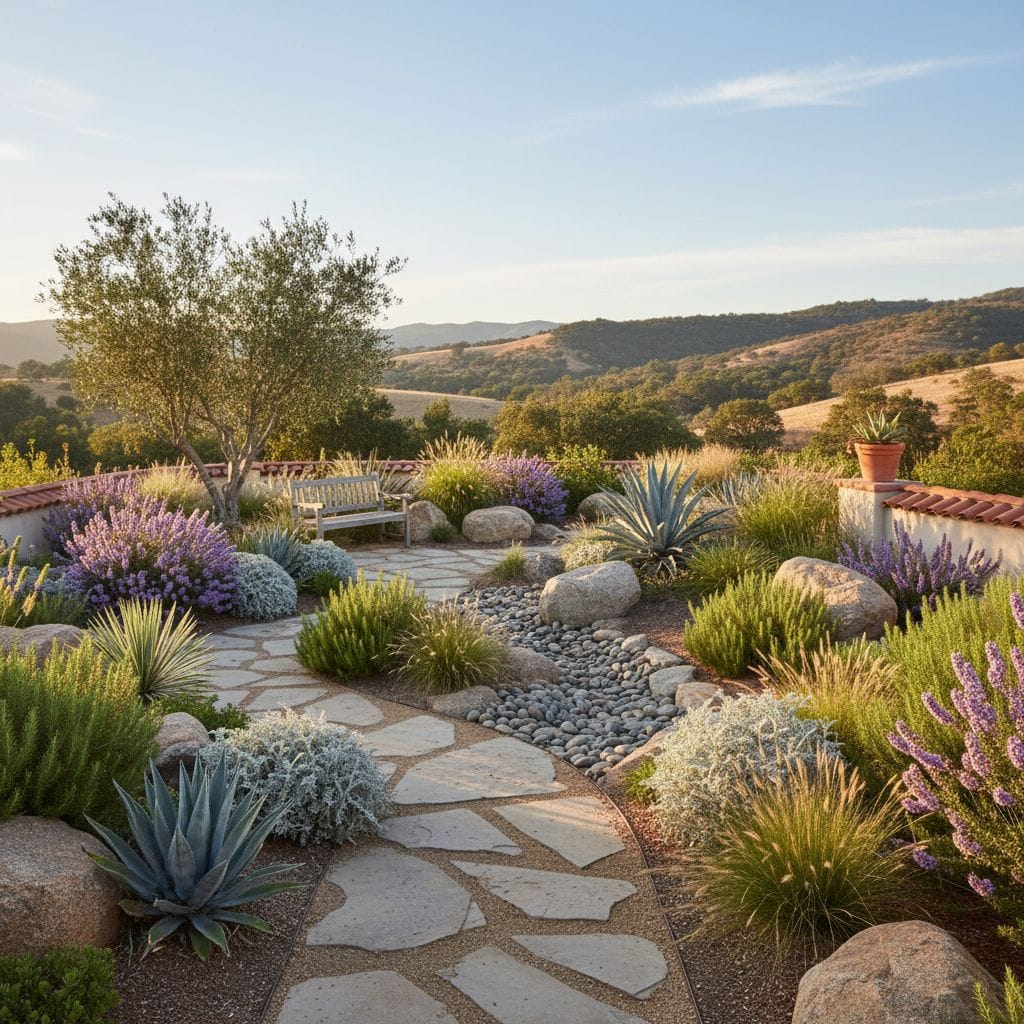
California-style gardens have steadily gained recognition for their practical and climate-sensitive approach to outdoor living. Emphasizing water conservation, native plants, and a seamless blend between interiors and exteriors, this garden style adapts perfectly to Mediterranean and drought-prone environments. If you’re curious about incorporating this aesthetic into your outdoor space, understanding its core features offers helpful guidance.
Characteristics of a California-Style Garden
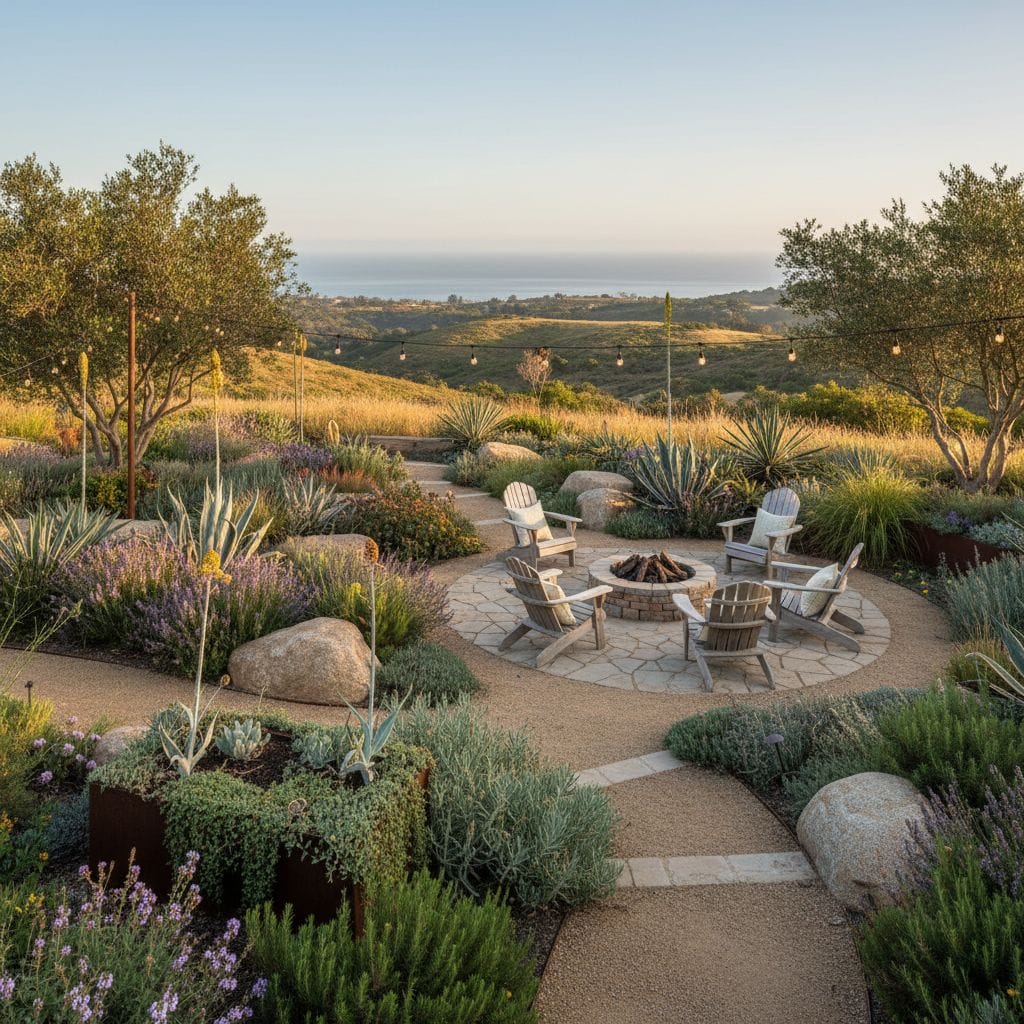
At the heart of California-style gardens is a strong commitment to drought-tolerant and native plants, chosen for both their adaptability and the lower water requirements compared to traditional garden species. Plants such as salvia, agave, manzanita, California poppy, and ceanothus thrive naturally in these conditions, supported further by ornamental grasses that add texture while being easy to maintain. This planting approach not only reduces water demand but equally lessens ongoing upkeep, making the garden sustainable and user-friendly.
Another hallmark is the use of materials like gravel and decomposed granite, which replace extensive lawn areas to limit irrigation. Lawn spaces, when included, are smaller and deliberately placed to conserve water. These surfaces also contribute to the aesthetic by complementing the natural tones of the plants and maintaining a clean, restrained appearance.
Equally important is the “outdoor room” concept. Designs frequently incorporate patios, decks, or lounge areas positioned close to kitchens or main living spaces, creating a fluid connection indoors and out. Features like sliding or bifold doors, consistent flooring materials throughout the home and garden, and layered lighting solutions extend the usability of outdoor areas well into the evening hours. Existing trees and strategically placed shade structures add comfort and privacy, while careful pruning frames picturesque views without overcrowding.
Sustainability and Style Variations in California Gardens
Today’s California-style gardens often reflect broader values of sustainability and climate resilience. This includes xeriscaping principles—landscaping designed specifically for drought conditions with minimal irrigation—and fire-conscious design choices that consider the risks inherent to many Californian landscapes. Robust, low-maintenance materials are favored, supporting long-term durability and ecological mindfulness.
Despite these shared principles, there’s remarkable variety within the style. Some gardens showcase modern minimalist layouts, featuring architectural plant forms and specimen plants arranged with clean lines and simplicity. Others lean toward a naturalistic or “wild but refined” appearance, promoting a sense of organic flow without sacrificing thoughtful design. Both approaches prioritize comfort and water efficiency but offer distinct visual experiences.
For those seeking inspiration and guidance, resources like Livingetc provide practical advice on plant choices and how to extend indoor living outdoors, while Pacific Horticulture delves into the historical roots and defining features of this garden style. Meanwhile, trend analyses from Garden Design reveal how California gardens are evolving within the context of ecological awareness and resilience.
For homeowners interested in planning a garden that embraces these principles, digital tools like those found at aigarden.design can help visualize design concepts and plant selections suited to local climates. This can be particularly useful when aiming to balance style with sustainability in your outdoor space.
Ultimately, California-style gardens blend form and function—offering an appealing way to enjoy outdoor living while respecting environmental needs and enhancing day-to-day comfort.
Sources used: Livingetc, Pacific Horticulture, Garden Design