

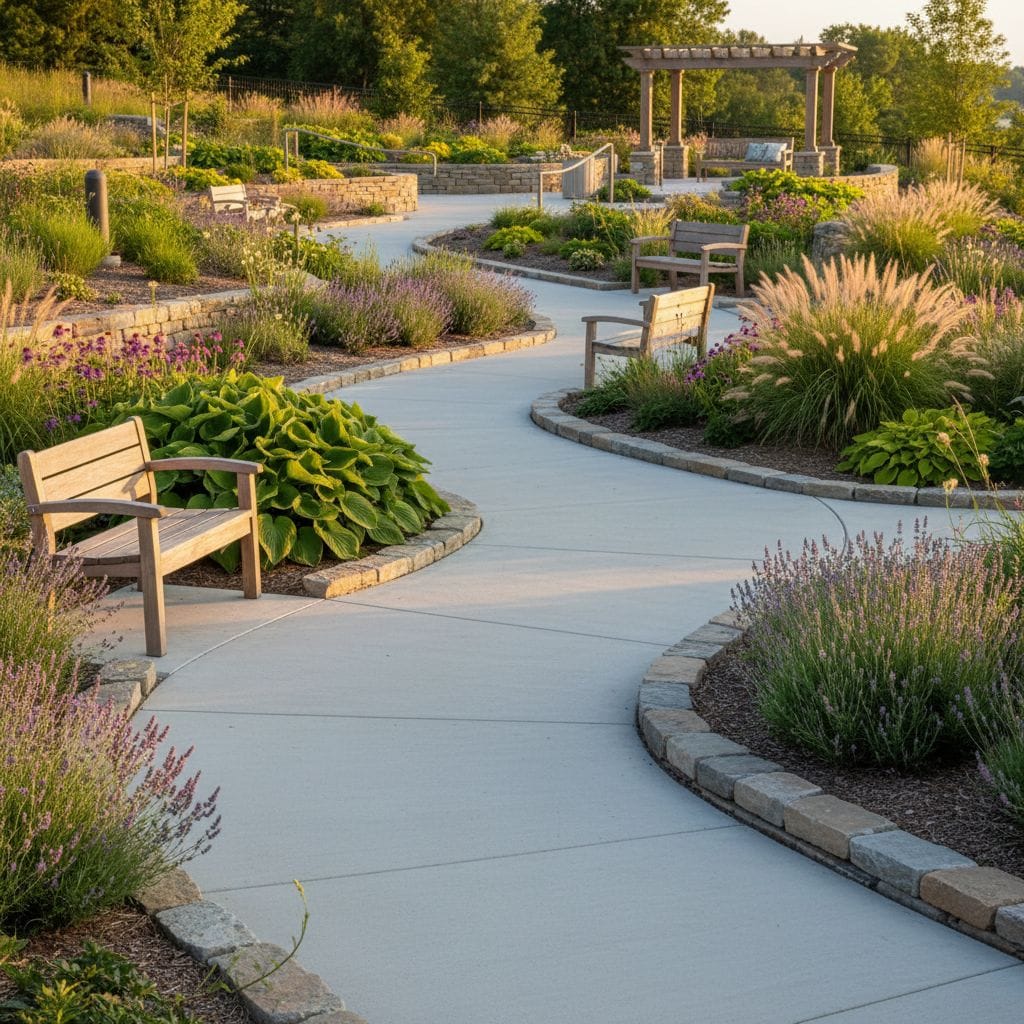
Creating gardens that accommodate the needs of seniors is about combining thoughtful design with practical features that encourage enjoyment and independence. Accessible gardens tailor pathways, planting areas, and resting spots to support a variety of mobility levels and physical abilities, ensuring a safe and pleasant outdoor space.
Essential Features of an Accessible Garden for Seniors
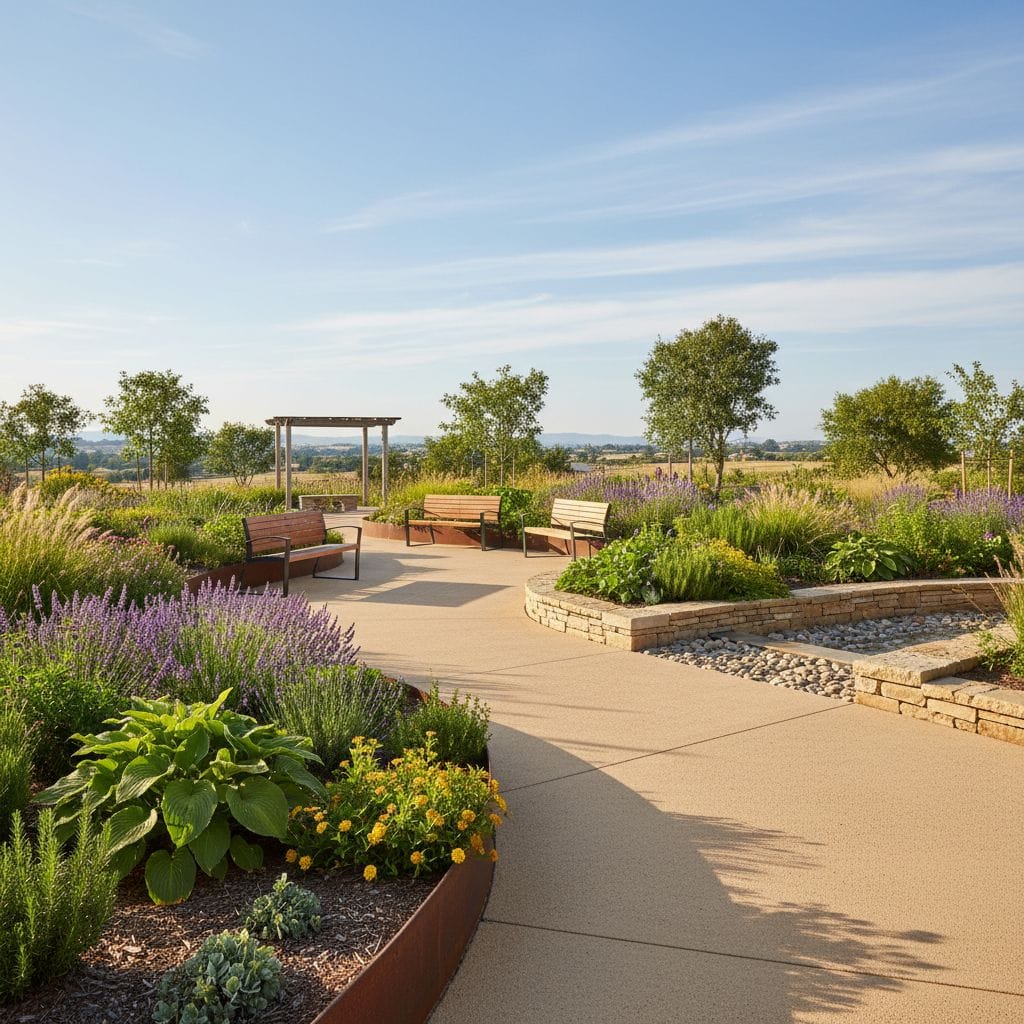
One of the primary considerations in designing gardens for older adults is ensuring smooth, navigable paths. These should be wide—at least 4 feet—to comfortably fit wheelchairs, walkers, or wheelbarrows, and the surfaces must remain level, firm, and slip-resistant. While concrete is common, alternatives like gravel or wooden boardwalks can be appropriate depending on the site and user needs, as recommended by Brookdale Senior Living’s practical insights into accessible garden design.
Raised garden beds play a crucial role by reducing the need for bending or kneeling. Their height is ideally customized: around 24 inches suits seated gardeners, while about 30 inches works well for those standing but with limited ability to bend. This approach is supported by detailed guidelines from GardenTech, which emphasizes matching bed height to the gardener’s reach to boost comfort and accessibility.
Rest areas are fundamental to maintaining comfort. Multiple seating spots placed in shaded or sheltered locations offer elders opportunities to pause and recover energy during gardening or simply enjoy the outdoor environment. Sensory Trust highlights this along with suggestions for low-gradient ramps and high-contrast edging on steps for enhanced safety and orientation.
Making Gardening Easier and Safer: Maintenance and Tool Adaptations
Maintaining a garden can be physically demanding, so design choices that minimize effort are vital for older gardeners. Implementing low-maintenance planting featuring perennials, drought-tolerant, and native species decreases the frequency of watering, replanting, and general upkeep. Oxford Garden Design and GardenTech both advocate for these plant selections as a way to support sustainable gardening lifestyles for seniors.
In addition to smart plant choices, the right tools can significantly reduce strain. Lightweight or long-handled garden tools help avoid excessive bending and reaching, increasing ease of use. Efficient watering techniques such as drip irrigation or soaker hoses further alleviate the burden of manual watering. Container planting on wheeled carts or raised platforms improves accessibility by allowing gardeners to tend plants from a standing or seated position, as noted by various experts including Brookdale Senior Living and GardenTech.
When combining these elements—wide, stable paths, ergonomically designed beds, thoughtfully chosen plant species, ample seating, and adaptive tools—a garden becomes a welcoming and manageable space for seniors to enjoy independently.
If you are interested in exploring garden design ideas tailored to seniors and other needs, digital platforms like AiGarden offer user-friendly tools to customize accessible landscapes that balance beauty and functionality.
Gardens designed with accessibility in mind go beyond aesthetics—they empower seniors to stay active, engaged, and safe outdoors. Thoughtfully integrated features support mobility, reduce physical strain, and invite restful enjoyment, making these spaces truly inclusive.
Sources used: Brookdale Senior Living, GardenTech, Sensory Trust, Oxford Garden Design