

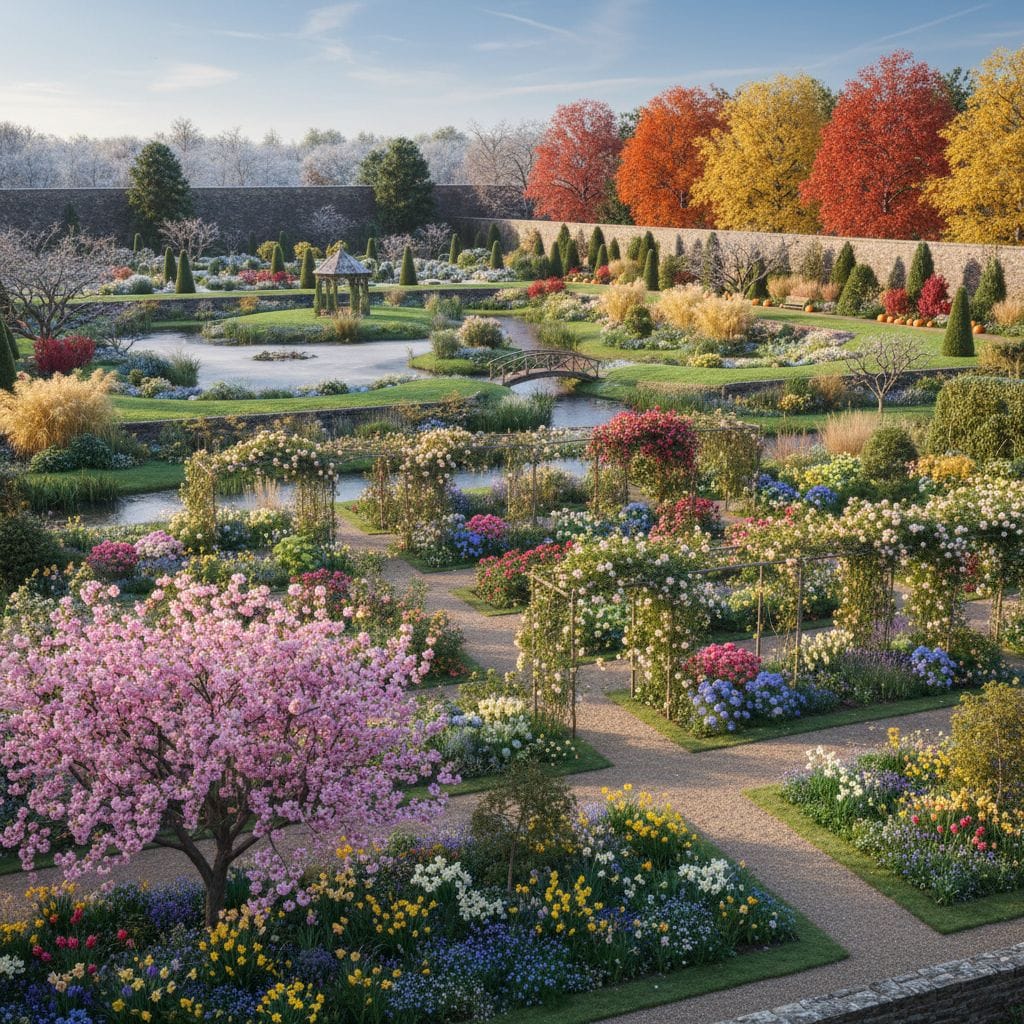
Creating a garden that remains captivating throughout the entire year requires a thoughtful approach centered not just on spring and summer blooms but on the broader concept of seasonal structure and lasting visual interest. By carefully selecting plants that provide multi-season appeal and planning for spaces visible during the colder months, gardeners can craft landscapes that never feel empty or dull as the seasons change.
Designing for Year-Round Appeal
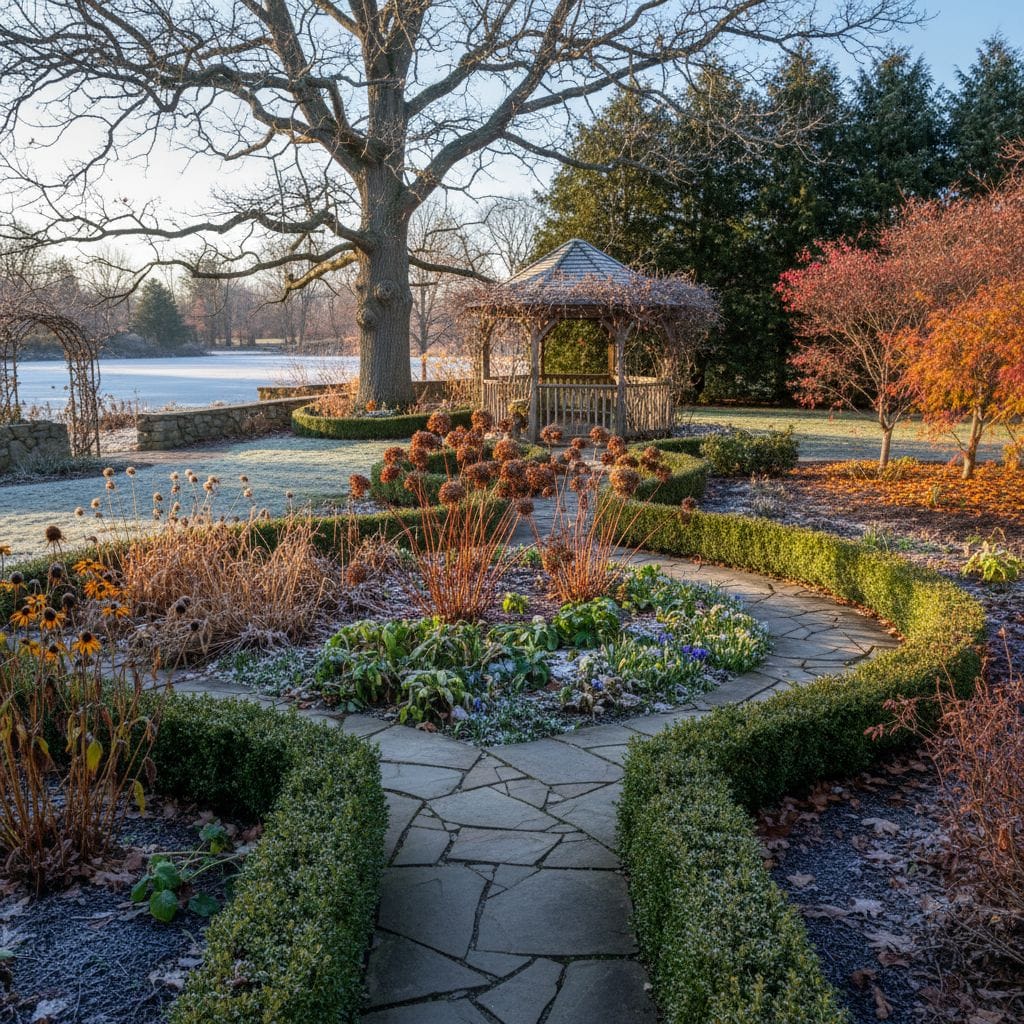
The foundation of a year-round garden lies in balancing seasonal structure, the succession of bloom, and elements that maintain interest in winter. According to insight from Pacific Horticulture, rather than focusing solely on the vibrant flowers of spring and summer, designing with winter months in mind is essential. This means layering evergreens, deciduous shrubs, persistent perennials, ornamental grasses, and container plants to retain form and texture when flowers are scarce. Positioning these plants strategically along pathways, near windows, and at entry points ensures the most impactful views even during bleak months.
An effective year-round garden requires combining plants that bloom at different times and serve varied roles. Perennials typically act as the backbone delivering continuous color through many months. Gaps between their flowering cycles are elegantly filled by annuals, bulbs, flowering shrubs, and vines. This layering approach not only extends the display but also adds multiple textural and color layers to the garden. The team at Proven Winners highlights the importance of incorporating foliage, stems, and berries, which become critical sources of texture and visual interest when flowers are no longer present.
Planning and Plant Selection Essentials
One of the best pieces of advice repeated in garden design expertise is meticulous planning. Observing and mapping sun exposure, shade patterns, plant heights, and bloom timings will help to optimize how the garden evolves through seasons. Plants with the highest visual impact deserve priority placement where they can be appreciated from primary viewpoints like windows or main footpaths, as recommended by experts at Pacific Horticulture.
In edible gardening, a similar principle applies through succession planting and crop rotation—concepts thoroughly explained by Tyler Arboretum and Tenth Acre Farm. Beds are organized so that spring, summer, and fall crops follow one another in sequence, while quick-growing crops fill gaps before frost arrives. This intentional scheduling keeps garden beds productive year-round, offering consistent harvests that mirror the ornamental garden’s succession of blooms.
Layering for Continuous Interest and Functionality
The interplay between different plant types forms the key to a garden's enduring presence. Evergreens, shrubs, and grasses contribute essential structure and height, particularly through winter, when flower color dims. Perennials create the dynamic core of ongoing blossoms, while annuals and bulbs act as seasonal accents that provide bursts of color at specific times. Meanwhile, persistent elements like foliage variations, interesting stem shapes, and colorful berries ensure the landscape has multiple layers of visual complexity beyond petals.
Garden spaces benefit greatly from viewpoint-focused planting strategies. Placing winter-interest elements where they can be seen daily helps maintain the garden’s charm and connection to the home throughout the year. This could mean grouping evergreen shrubs to draw the eye through a window or situating ornamental grasses along walks to add movement and softness when winds stir.
For those aiming to design or tweak a garden tailored to their surroundings and preferences, digital tools that assist in planning layered, season-spanning plantings can be invaluable. Exploring platforms like AiGarden Design app offers personalized support for selecting plants and mapping garden views to maximize year-round beauty and functionality.
Creating a garden that flows seamlessly from one season to the next is less about fleeting highlights and more about embracing the rhythms of all months. By focusing on soil structure, layered planting, and intentional viewpoints, any garden can evolve into a stable ecosystem of color, texture, and life that delights regardless of frost or bloom.
Sources used: Pacific Horticulture, Proven Winners, Tyler Arboretum, Tenth Acre Farm