

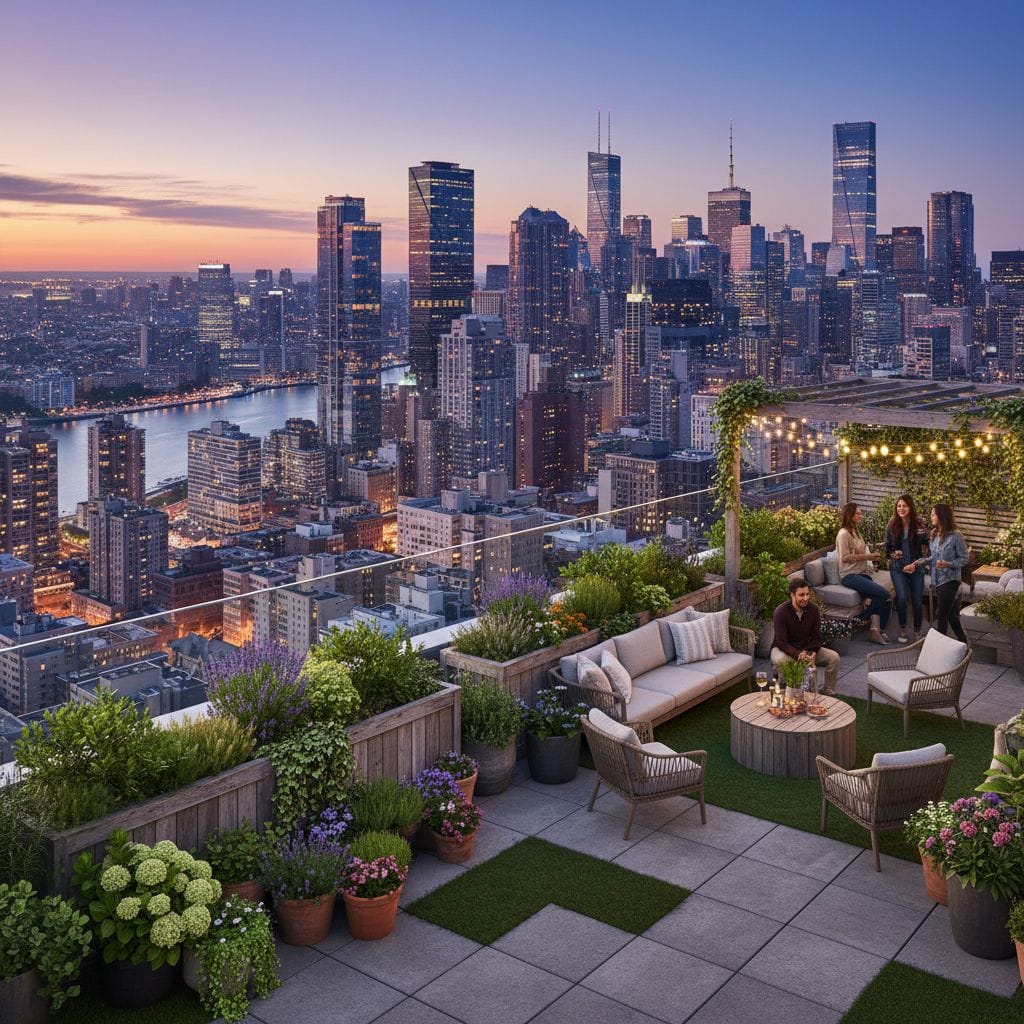
Urban spaces are constantly evolving, and one trend gaining substantial traction in 2026 is rooftop gardening. This approach transforms unused flat rooftops into lush green areas, merging natural elements with urban infrastructure to tackle environmental issues faced by cities worldwide. Beyond their visual appeal, rooftop gardens serve numerous ecological and practical purposes, making them increasingly relevant in sustainable urban development.
The Many Benefits of Rooftop Gardens
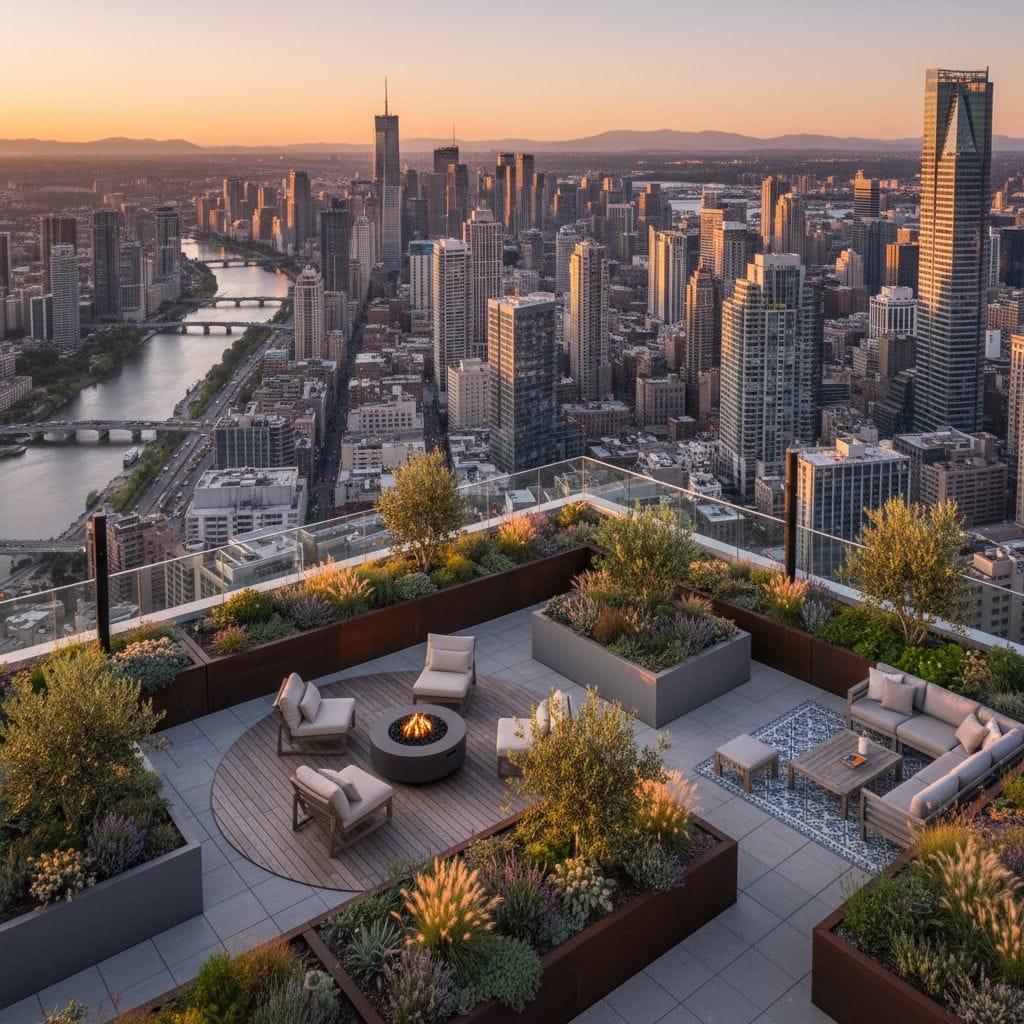
Rooftop gardens are designed using flat roofs equipped with specialized systems such as waterproof layers, root barriers, soil beds, irrigation, and drainage to ensure plant health and structural safety. These can be established in modular containers or as permanent green infrastructure. Cities like New York, Paris, and Singapore illustrate how rooftop greenery can be scaled effectively—New York’s Brooklyn Grange hosts a 5.6-acre farm on rooftops, while Singapore incorporates rooftop gardens into urban planning, blending them with hotels and high-rises.
One notable impact of rooftop gardens is their ability to reduce urban heat. By covering roofs with plants, air temperatures in nearby areas drop significantly, leading to a reduction in cooling energy use by around 75 percent where these gardens are widespread. Buildings outfitted with green roofs can also lower their overall energy consumption by up to 8 percent, cutting costs and carbon emissions simultaneously. Additionally, rooftop gardens retain up to 80 percent of rainfall, effectively managing stormwater runoff and reducing strain on urban drainage systems. This water retention also helps filter pollutants such as nitrogen, improving overall water quality.
Beyond environmental benefits, rooftop gardens play a role in improving urban air quality by absorbing harmful gases and particulates through photosynthesis. They also contribute to biodiversity by providing habitats in otherwise barren cityscapes.
Adoption Trends and Technological Advances
Currently, commercial and multi-family residential buildings lead the way in rooftop garden adoption, representing about 22 percent of structures with green roofs. Single-family homes lag behind, with fewer than 2 percent adopting this practice. However, this trend is shifting thanks to new policies and laws in countries like France, Switzerland, and Canada that encourage or mandate green roofs in both commercial and residential sectors.
Technological progress is making rooftop gardens more manageable and practical. Smart irrigation systems now help optimize water use and detect early signs of plant stress, reducing maintenance demands and costs. Moreover, cities are increasingly integrating rooftop gardens with solar panels and rainwater harvesting setups, maximizing utility and sustainability by simultaneously producing food, generating renewable energy, and conserving water.
For anyone interested in exploring rooftop gardening solutions tailored to specific environments, platforms like AIGarden Design offer tools that help design and manage rooftop green spaces effectively.
Bringing greenery to rooftops offers a sustainable path to greener cities by mitigating heat, improving air and water quality, and fostering urban biodiversity. As technology and policy frameworks continue to support this movement, rooftop gardens are likely to become even more common components of urban landscapes.
Sources used: House Digest, Britannica, Small Axe Peppers/Urban Agriculture, WL3 Designs Roof Garden Architecture Guide.