

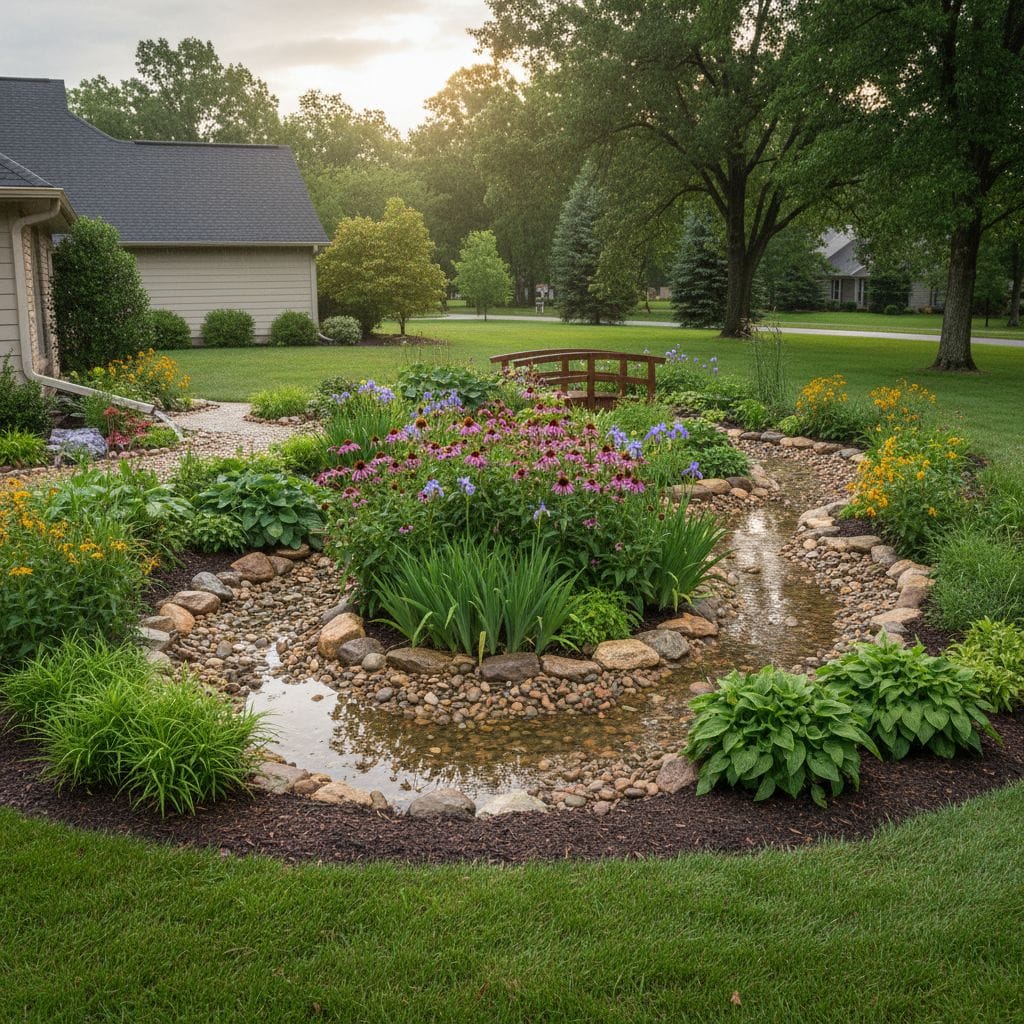
Rain gardens have gained attention as practical and eco-friendly solutions for managing stormwater runoff. These specially designed, vegetated depressions capture and filter rainwater, reducing both the volume and peak flow of runoff. Beyond just handling water, rain gardens contribute positively to the environment by improving groundwater recharge and filtering out pollutants.
How Rain Gardens Work and Their Key Components
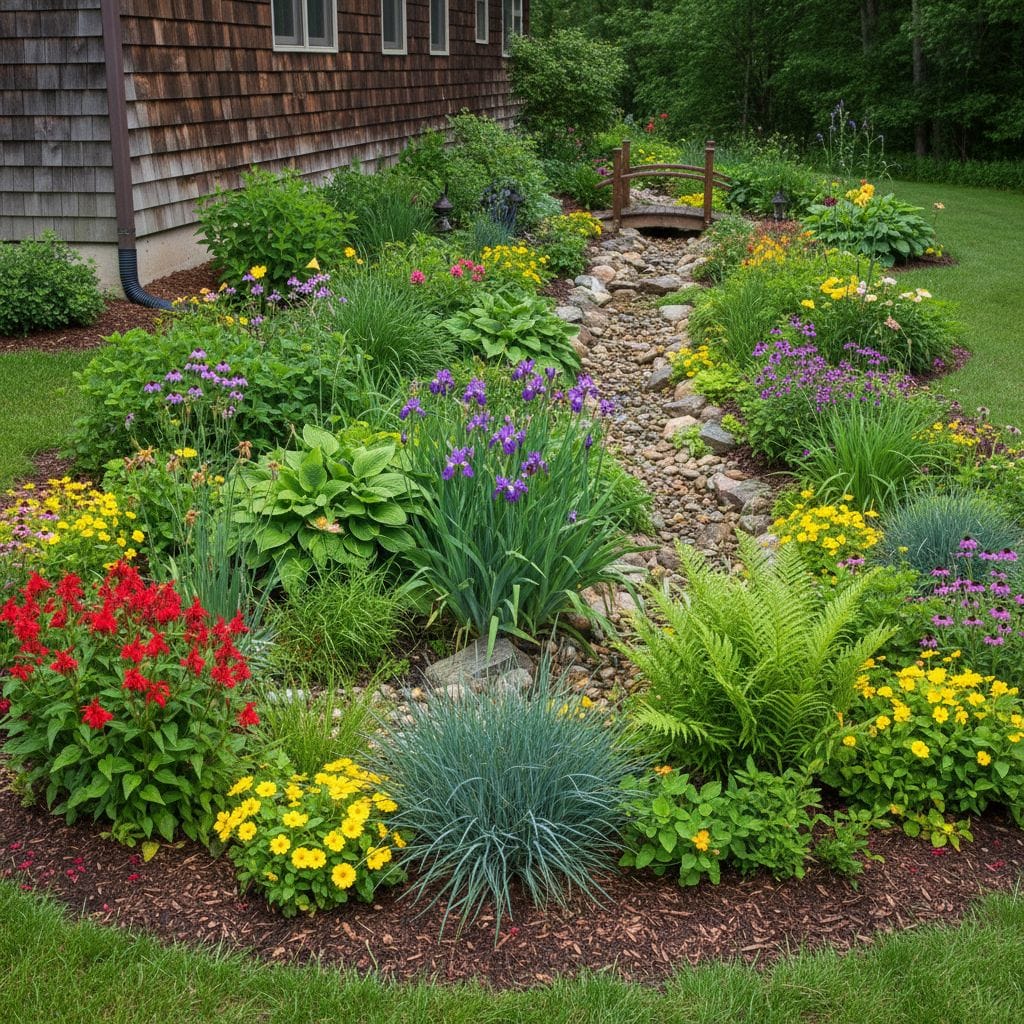
At the heart of an effective rain garden is its layered soil system, often made up of bio-soil mixes, sand, and organic mulch. This combination ensures that water percolates through the soil at a rate of roughly one inch per hour, which is optimal for infiltration without causing flooding or erosion. The garden’s depth and soil amendments are carefully selected to maximize this effect, filtering out pollutants such as heavy metals like copper, lead, and zinc, which can be reduced by up to 90%. In addition to metals, rain gardens filter significant amounts of nitrogen and phosphorus from runoff, helping to prevent nutrient pollution in waterways.
Plants play a crucial role in this system. They are grouped into moisture zones tailored to their tolerance levels:
- Zone 1 includes wet-tolerant species like blue flag iris and swamp milkweed that thrive in saturated conditions.
- Zone 2 accommodates plants like bee balm and switchgrass that handle alternating wet and dry periods.
- Zone 3 houses drought-tolerant plants such as purple coneflower, which survive in the garden’s driest areas.
This zoning not only aids stormwater management but also attracts pollinators and supports local biodiversity. Proper placement of the rain garden is essential, ideally situated downhill from downspouts or paved surfaces and at least 10 feet away from building foundations to avoid root or moisture damage.
Installation, Maintenance, and 2026 Trends
Building a rain garden involves excavating the site and layering soil materials without compacting them to maintain permeability. If natural drainage is insufficient, underdrains can be installed. Inlet splash pads made of river rock reduce erosion from incoming water, and overflow berms reinforced with stone protect the garden during heavy rains. A thick layer of mulch helps retain moisture and keeps the soil healthy.
Maintenance is straightforward but necessary for long-term functionality. Monthly checks for erosion, biannual mulching, soil pH monitoring, and ensuring proper drainage within 24 to 48 hours after storms are standard practices. This regular upkeep promotes sustained infiltration capacity and pollutant removal.
Looking ahead to 2026, rain gardens are increasingly integrated with water-wise practices, such as the use of native pollinator plants and soil amendments that enhance soil health. These gardens are becoming key features in sustainable residential landscapes, particularly in regions experiencing more intense rainfall and drought cycles. Advances in hydrological modeling tools like the SWAT model aid designers in optimizing rain garden performance, while educational workshops and smartphone apps continue to encourage wider adoption among homeowners and municipalities.
If you’re considering incorporating such water-smart landscaping solutions, design tools like those offered at aigarden.design can guide you through creating a garden that balances beauty with environmental benefit.
Rain gardens exemplify how thoughtful landscape design can address urban water challenges while nurturing biodiversity and improving soil quality. They offer a valuable approach for managing stormwater sustainably and enhancing the aesthetics and ecological value of any property.
Sources used: PubMed, American Society of Landscape Architects, Earth911, Homes & Gardens.