

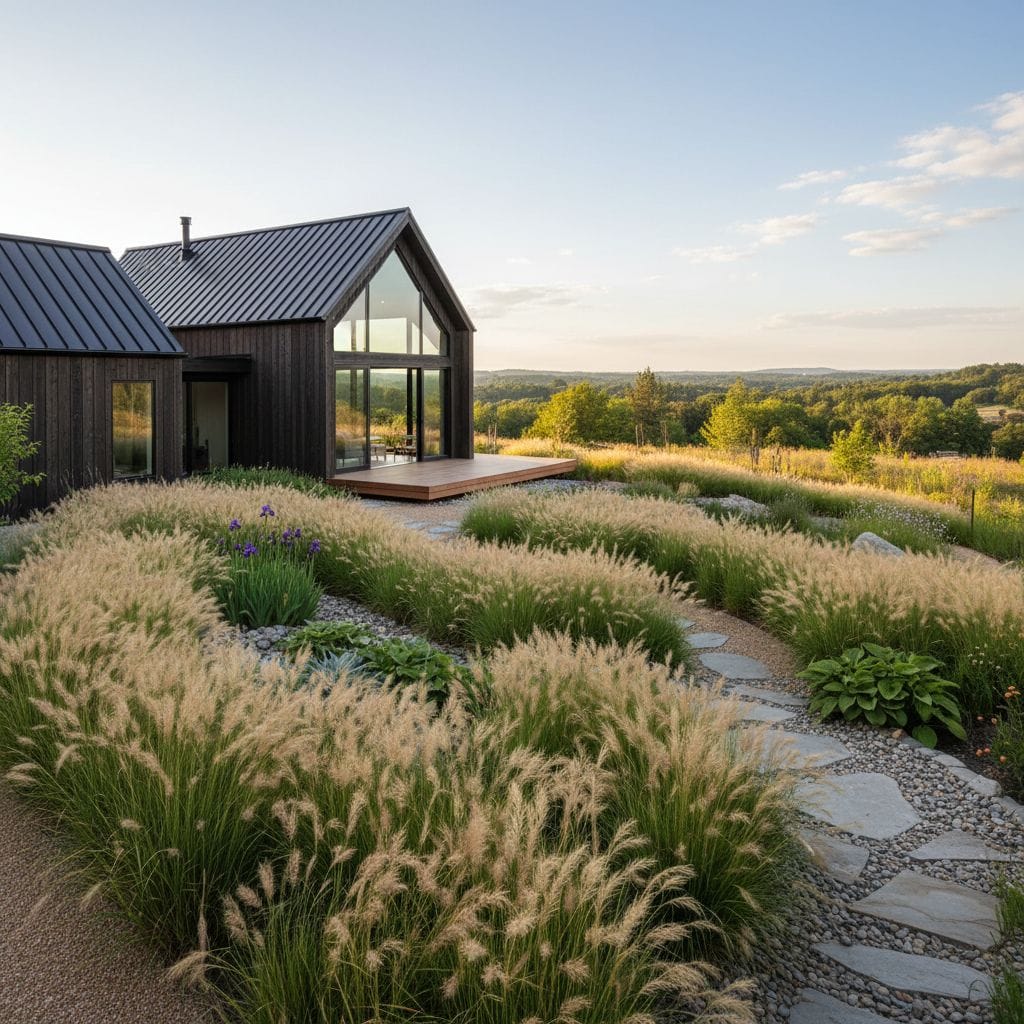
Modern barn-style houses blend rustic charm with contemporary design, creating unique opportunities for garden layouts that complement these distinctive homes. In 2026, the trend leans towards seamless indoor-outdoor living, where gardens serve not just as aesthetic enhancements but also practical extensions of the home’s footprint.
Designing Gardens for Modern Barn-Style Homes
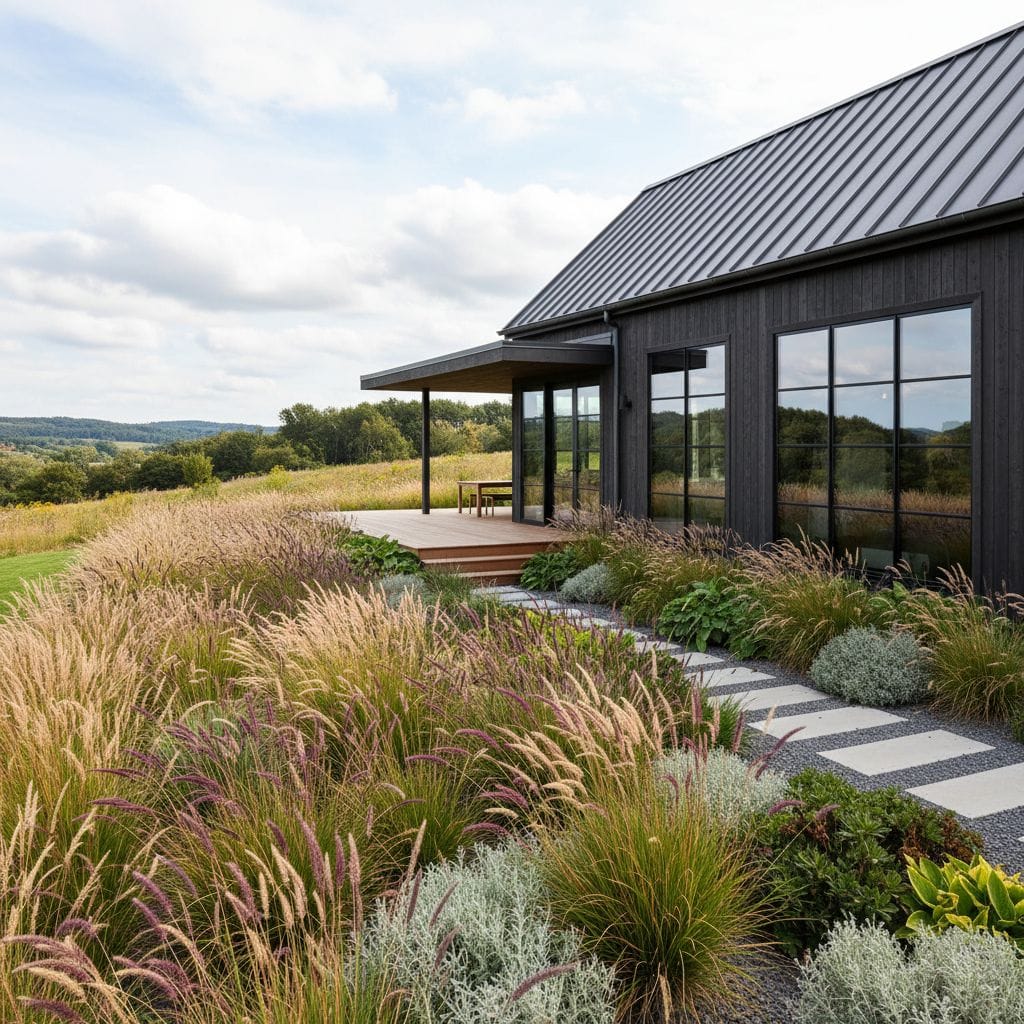
One of the defining characteristics of the modern barn house is its minimalist structure, featuring gabled roofs, clean architectural lines, and expansive glass panels that open views onto the outdoors. These design elements inspire garden layouts that reinforce the home’s emphasis on spatial flow and natural light. Gardens adjacent to these houses often adopt a compartmentalized layout, known as the botanical bento box approach. This technique divides limited garden areas into purposeful zones, such as spaces for lounging, dining, or quiet contemplation, using tall planters or ornamental grasses to create privacy without enclosing the space.
Materials play a critical role in visually and structurally linking the garden to the barn-style home. Earthy, muted palettes inspired by Kusumi tones, combined with rugged materials like Corten steel and natural stone, introduce layers of texture and color that feel both authentic and curated. Vertical features made from slender metal trellises or obelisks not only add height and dimension but also support climbing plants, enhancing privacy while maintaining an open feel. Such details contribute to transforming modest outdoor areas into luxurious yet understated garden rooms that extend living spaces outdoors.
Sustainable and Climate-Responsive Considerations
Modern barn architecture prioritizes sustainability and climate resilience, which naturally extends to the garden design. Elevated foundations and steep rooflines help manage water runoff effectively and protect the property from flooding, supporting healthier garden beds. The choice of durable, low-impact materials like reclaimed wood and low-carbon concrete ensures both environmental responsibility and longevity against changing weather patterns.
Lighting also plays a subtle but crucial role in these garden spaces. Layered evening illumination enhances safety and ambiance, highlighting architectural and botanical elements while allowing the garden to function as an outdoor room well into the night. This thoughtful layering of light and shade mirrors the home’s built form and materiality, emphasizing harmony between structure and landscape.
When planning such a garden, it’s important to consider the site context—forests, hills, or open fields—as modern barn-style houses often juxtapose long rectangular volumes and cantilevered balconies against these natural backdrops. The garden design should respect and emphasize this dialogue between built and natural environments.
For those looking to visualize or design their own garden adjoining a modern barn house, digital tools like AiGarden's design app provide useful platforms to experiment with spatial zoning and planting palettes that suit these contemporary farm-inspired aesthetics.
Crafting a garden next to a modern barn-style house involves more than planting—it is about creating a carefully balanced extension of the home’s architectural identity. Through clean forms, thoughtful zoning, textural materials, and sustainable strategies, these gardens become tranquil, sophisticated retreats linked intrinsically to the indoor living spaces.
Sources used: Housize (February 23, 2026), Housize (March 14, 2026), Small House Garden Ideas 2026, Houzz AU