

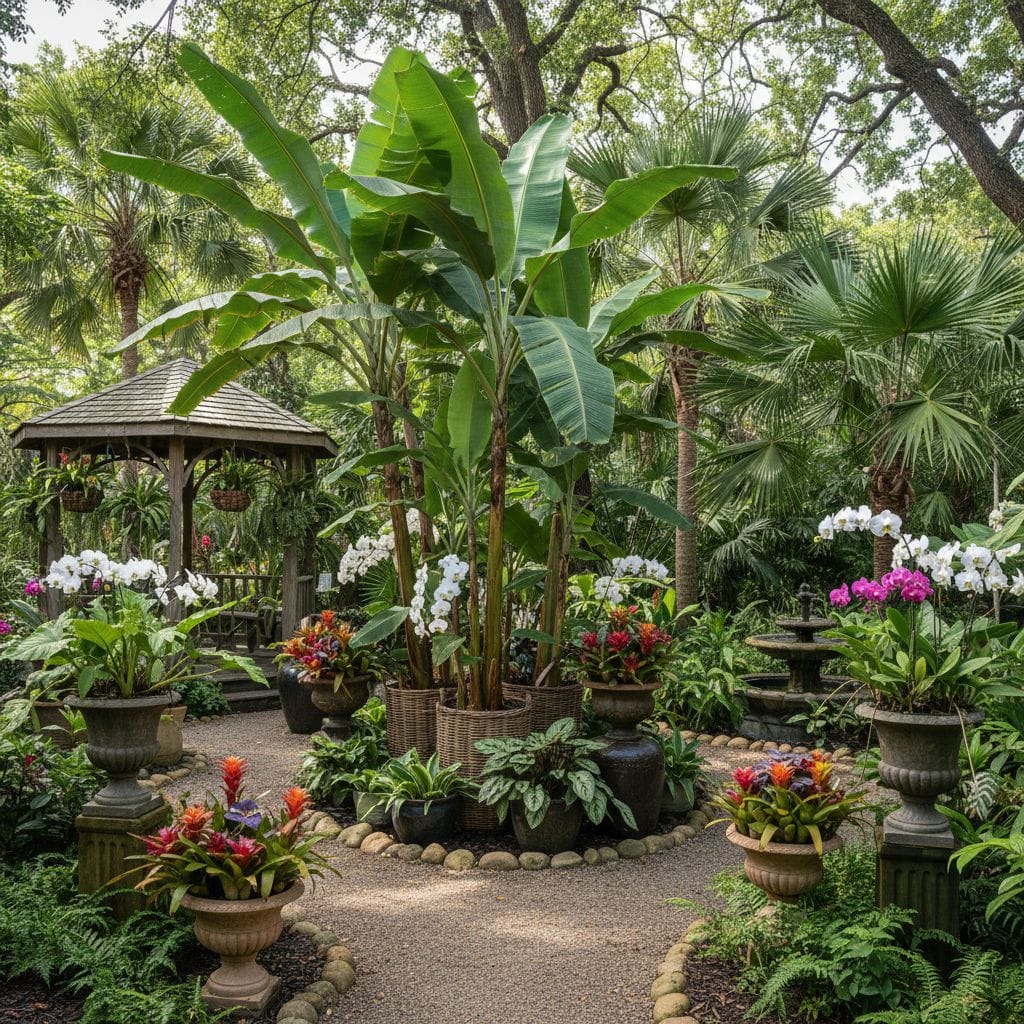
Creating a garden with exotic potted plants opens exciting opportunities to transform patios and outdoor spaces into lush, tropical retreats. This style emphasizes bold shapes and lush foliage to evoke a subtropical atmosphere right outside your door. By combining architectural greenery with colorful, textural accents, you can design container arrangements that thrive in various light and climate conditions.
Key Elements of Exotic Container Gardening
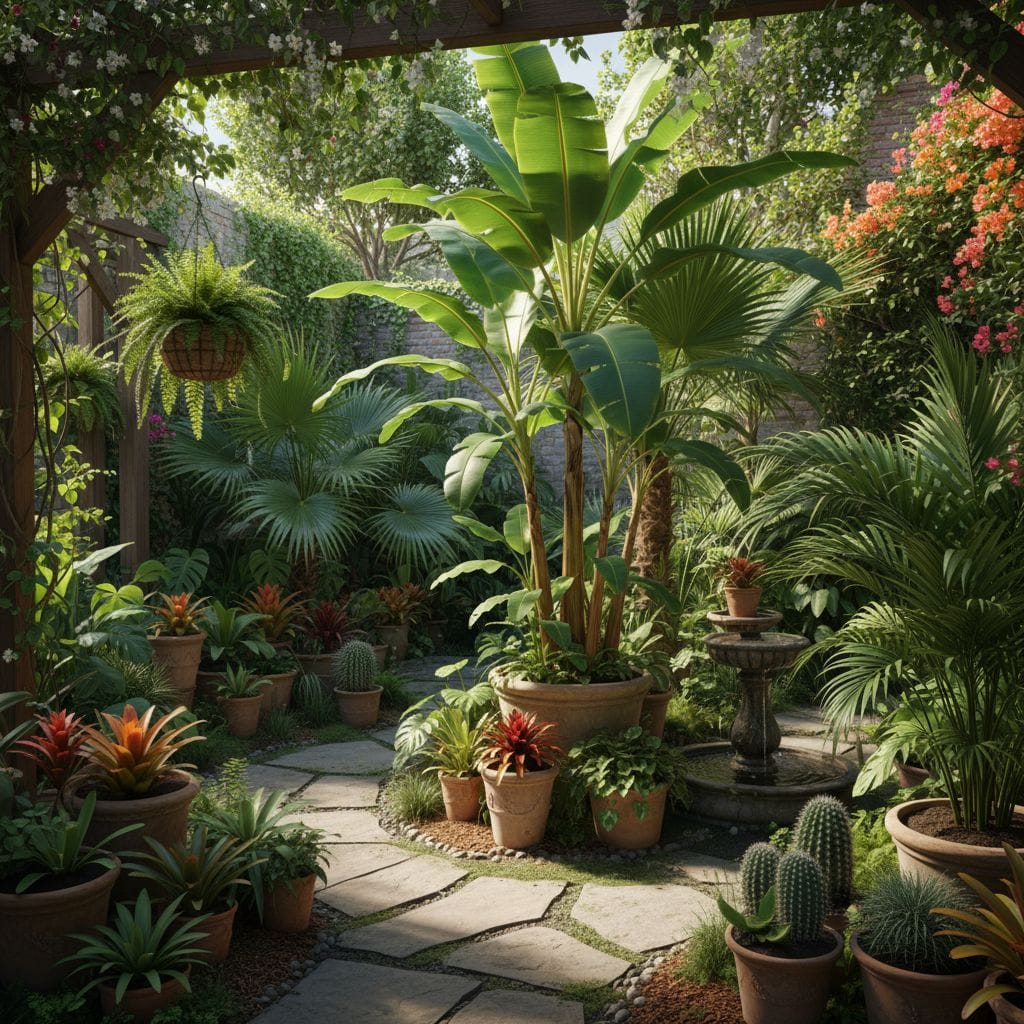
One of the defining characteristics of an exotic potted garden is the use of layered plantings that provide structure, interest, and depth. Tall, striking plants known as "thrillers" often include palm varieties such as the Chinese fan palm and majesty palm, or bold ti plants that bring vertical drama. These are typically paired with "fillers"—plants that enrich the composition with vibrant colors and textures. Examples of these include jewel-toned coleus cultivars like 'Dark Star' and 'Ruby Slipper', as well as Persian shield leaves that offer metallic purples and greens.
To complete the arrangement, "spiller" plants trail over the container edges, softening the design and adding movement. Golden creeping Jenny and asparagus fern are popular choices that cascade naturally, enhancing the tropical vibe. Incorporating tropical flowering plants such as mandevilla and tropical hibiscus not only brightens the garden but also supports pollinators, especially when mixed with annuals like gomphrena and lantana in soft blush or jewel tones.
For those looking for resilient options, hardy exotic-style plants are valuable in maintaining visual interest year-round. Species like astelia, cordyline, phormium tenax, and cannas combine strong architectural qualities with tolerance to cooler seasons—especially when paired with shade-loving ground covers like ferns and hostas. These mixes reduce the need for winter protection while preserving the garden's exotic essence.
These design principles draw from practical guidance by the Royal Horticultural Society and insights from experts at Costa Farms, who highlight how selection and combination play major roles in successful exotic container gardens.
Practical Tips for Maintaining Exotic Potted Plants
Successfully cultivating an exotic garden in pots requires attention to both plant health and environmental factors. Tropical species thrive in warm, sunny conditions, so placing mandevilla, majesty palm, and Kimberly Queen ferns where they receive ample light greatly improves their vigor. However, softer-leaved plants should be shielded during the hottest parts of summer to avoid leaf scorch.
Maintenance routines include regular feeding—monthly fertilization supports continuous growth and flowering—along with deadheading spent blooms to encourage new ones. In early spring, tender plants benefit from hardening off indoors before being transitioned outside. Propagation through softwood cuttings is a common practice to expand your exotic collection without continual purchases.
Grouping containers together enhances the garden’s cohesion. Using a combination of chartreuse-green and purple foliage across pots creates a visually unified exotic display that can elevate patios and smaller outdoor areas into elegant garden spaces. Furthermore, trends for 2026 show a shift toward low-maintenance, climate-resilient designs. Incorporating evergreens such as boxwood topiaries and camellias lends year-round structure and reduces upkeep.
For anyone interested in experimenting with exotic container gardening, digital garden design tools like those available at aigarden.design can simplify plant selection and layout planning. These platforms help tailor your garden concept to your site’s specific light and climate, making it easier to create thriving exotic potted plant arrangements.
A garden featuring exotic potted plants balances striking foliage, vibrant flowers, and layered textures to produce a welcoming, subtropical environment. Whether you favor dramatic palms or colorful coleus, these versatile container compositions offer both aesthetic appeal and practical adaptability throughout the seasons.
Sources used: Royal Horticultural Society, Contained Creations, Costa Farms, Veranda