

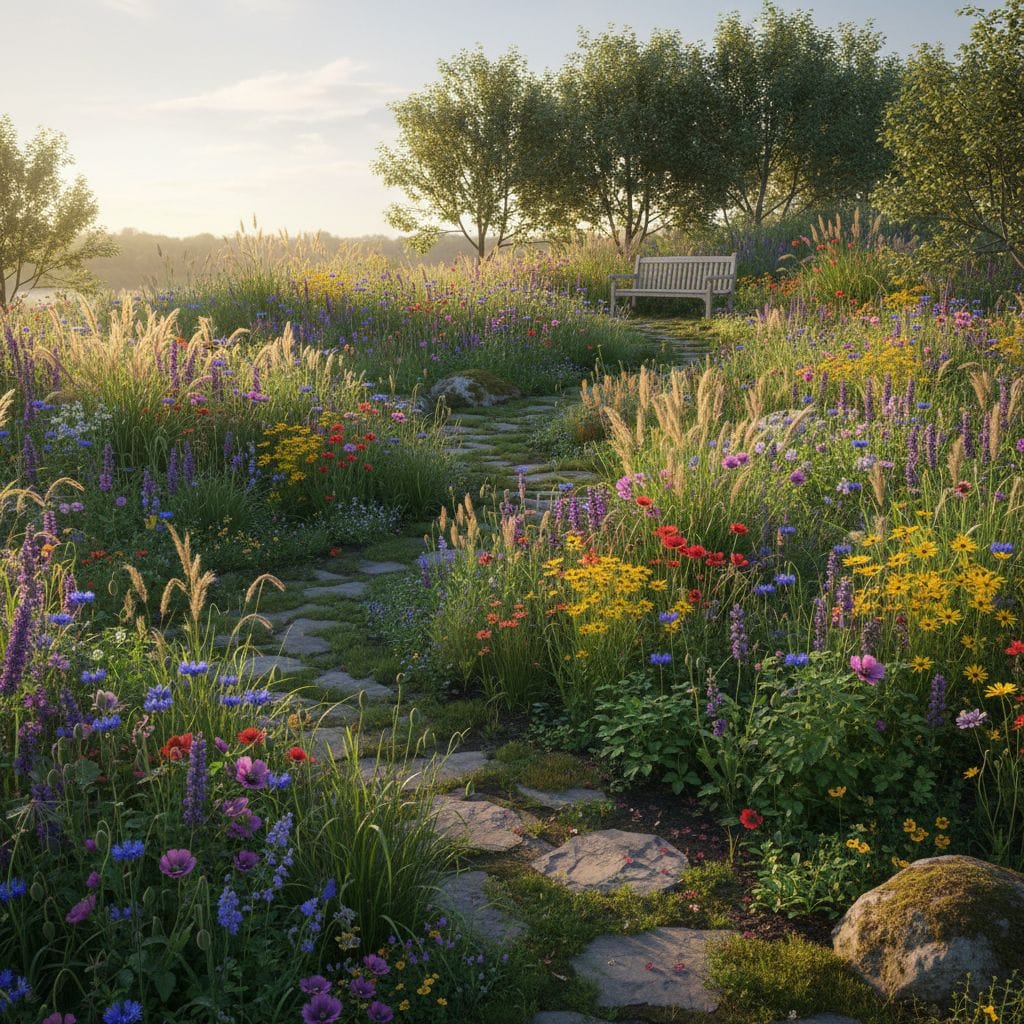
Naturalistic meadow-inspired gardens are gaining prominence in landscape design for 2026, reflecting a growing preference for outdoor spaces that combine ecological benefits with relaxed beauty. This style is distinguished by its focus on native plants and organic layouts that echo wild habitats, making gardens not only visually appealing but also supportive of local biodiversity. Embracing low-maintenance planting and drought-resilient species, these gardens offer a sustainable alternative to traditional lawns and formal designs.
Design Features of Naturalistic Meadow Gardens
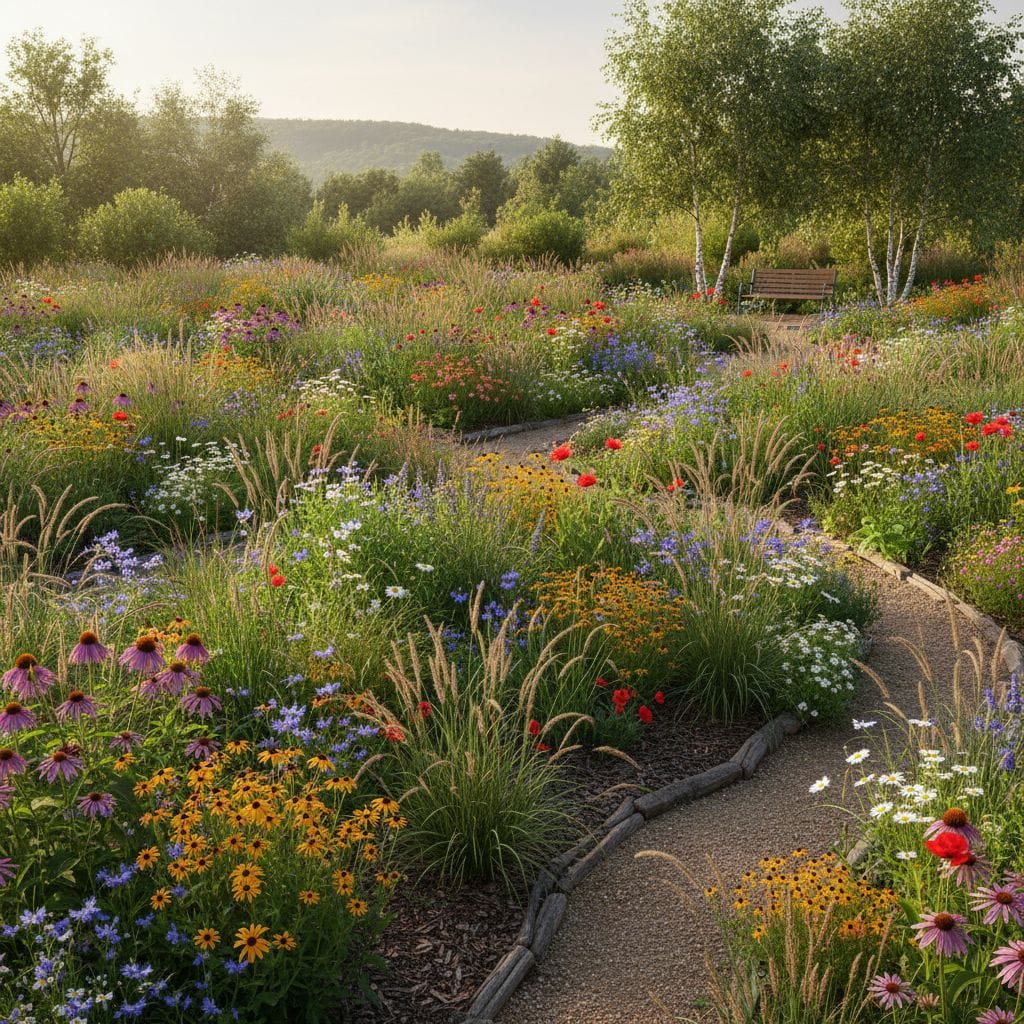
A hallmark of meadow-inspired gardens is their asymmetrical and flowing layouts. Instead of rigid, geometric patterns, these designs utilize curved paths and an informal layering of perennials to generate texture and seasonal variety. Plants such as ornamental grasses and native wildflowers sway naturally, injecting movement into the garden and creating an inviting, dynamic space. This approach captures a "wild but intentional" look — a carefully curated feel that still appears spontaneous.
Replacing the conventional lawn with a palette of drought-tolerant natives is central to this style. Varieties like Lemon Ice California Lilac and Avalanche White Sun Daisy serve as compact, water-wise alternatives, capable of thriving even in smaller urban plots. These plants not only reduce irrigation needs but also attract pollinators such as bees and butterflies, reinforcing wildlife habitat within the garden. The addition of rock features and dry creek beds supports stormwater management, further embedding ecological function into aesthetic appeal.
Ecological and Practical Benefits
Naturalistic meadow gardens promote sustainability through principles rooted in permaculture and rewilding. Mulching, smart irrigation systems, and mixed planting beds encourage self-sustaining ecosystems, reducing maintenance demands. By prioritizing native "nativars"—cultivated varieties of native plants—gardeners can enjoy varied colors and textures without compromising resilience or environmental compatibility.
Beyond environmental advantages, these gardens contribute positively to mental well-being. Surveys indicate that exposure to naturalistic, sensory-rich spaces can boost mood and foster a deeper connection with nature. With their effortless beauty and practical benefits, meadow-inspired gardens suit a wide range of settings — from cozy urban rooftops to expansive suburban landscapes.
If you are considering adopting this design style, digital tools like the AI Garden Design app can assist in planning a naturalistic meadow garden tailored to your space and climate. Leveraging technology can simplify plant selection and layout decisions, making sustainable gardening more accessible.
This evolving garden trend reflects a broader movement toward ecologically responsible landscaping that harmonizes aesthetic charm with wildlife support and resource conservation, offering homeowners a refreshing way to experience the outdoors.
Sources used: Konzept Garden, UMN Extension, Monrovia, Garden Design