

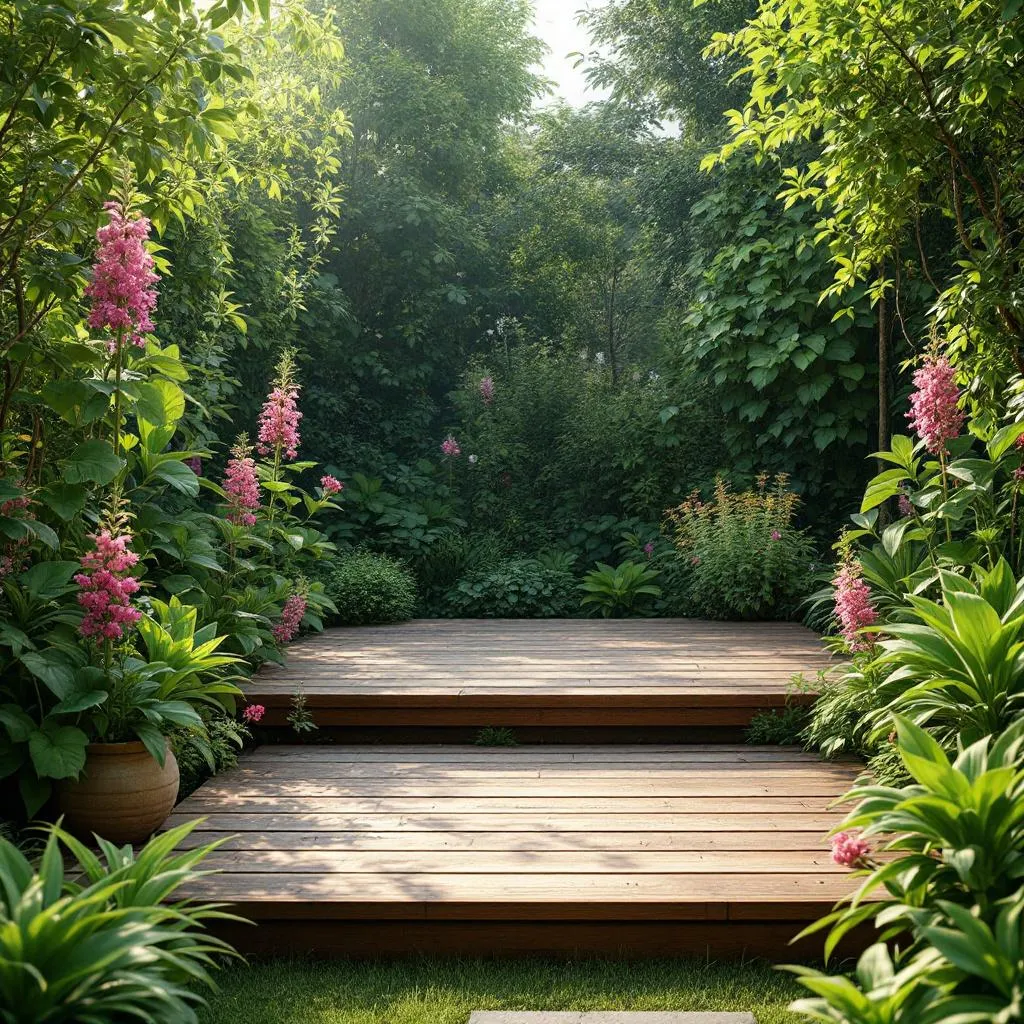
As the world moves towards increased mindfulness and sustainability, creating a garden dedicated to meditation and yoga in 2025 combines tradition with modernity. Imagine stepping into your backyard, feeling the tranquility of a Zen garden enhanced by subtle technology that complements your meditative practices. These gardens have evolved significantly, blending natural serenity with eco-friendly innovation—a perfect haven for mental peace.
Merging Tradition with Modern Mindfulness
When it comes to designing the perfect meditation and yoga garden, the fusion of Zen and Japanese garden principles with contemporary elements is key. Such spaces often feature sculpted rocks and raked sand, elements that are not only visually pleasing but also conducive to meditation. Incorporating calming water features like fountains or koi ponds brings the soothing effects of water to your practice. Sustainability is not left behind, with a focus on native and low-maintenance plants that support mental health and ecological balance. The challenge is to create a space that feels expansive but remains intimate, nurturing a calm state of mind.
Integration with indoor environments is also becoming increasingly popular. Transition spaces like indoor Zen atriums or garden views from meditation corners enhance the connection between indoors and outdoors. In addition, soft architectural lighting emphasizes the garden's serene features, making it a perfect retreat for early morning or evening yoga sessions. For more insights into creating such harmonious environments, check out the discussion on Zen Garden Design Trends 2025.
Practical Elements for Your Garden Sanctuary
Designing a meditation and yoga garden requires thoughtful attention to detail. Here are some features to consider:
- Natural Materials: Opt for wood, bamboo, and stone to maintain an authentic feel.
- Minimalist Walkways: Winding paths encourage slow, mindful walking meditations.
- Focal Points: Create anchoring features such as statues or natural sculptures to focus your practice.
- Adaptive Spaces: Design with flexibility, allowing your garden to evolve with personal preferences.
- Water and Light: Introduce small water features and soft lighting for ambiance and relaxation.
Exploring more about these garden elements can help you tailor your space to your specific needs. Plenty of resources and inspiration can be found at Garden Design's 2025 Trends and Meditation Garden Ideas.
Creating your peaceful sanctuary doesn't have to be daunting. With a balanced approach, your meditation garden can become a personal retreat for mental recharge and inner peace. Explore your vision with our garden visualization tool at Ogrovision, and stay updated with more tips and ideas by visiting AI Garden Design.